710 Hopewell Drive, Suite 102, Charleston, SC 29492


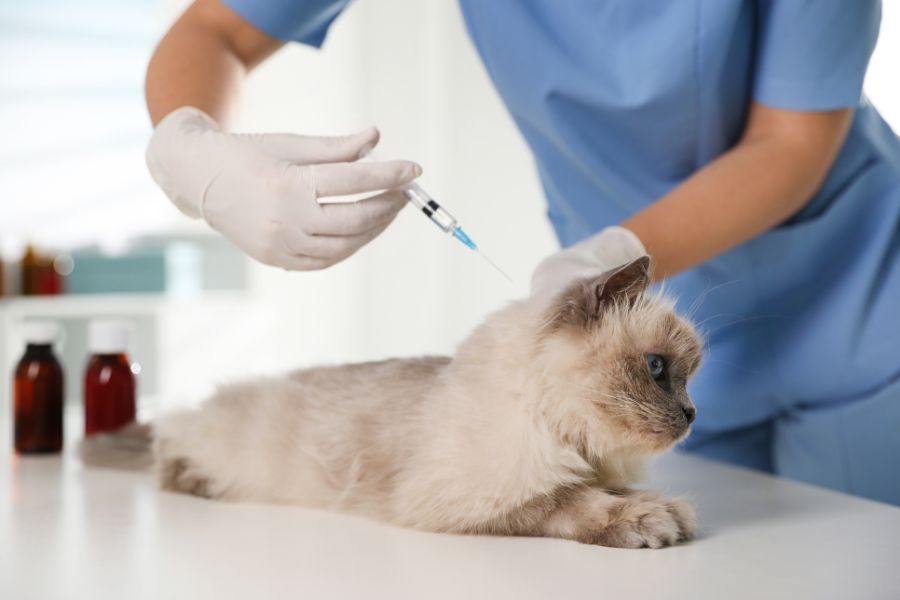
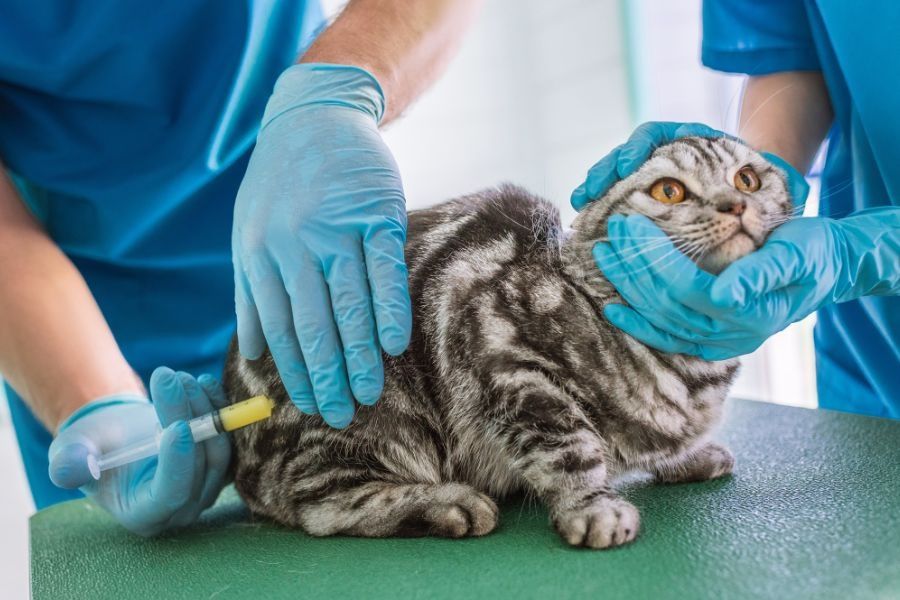
Many cat owners believe that keeping a cat indoors eliminates the need for vaccines. While indoor living does reduce certain risks, it does not make cats immune to serious diseases. In this article, we’ll explain whether indoor cats really need vaccines, uncover five hidden risks most owners don’t think about, and help pet parents make informed decisions to protect their cats’ long-term health.
Do Indoor Cats Really Need Vaccines?
The short answer is yes, most indoor cats still need core vaccines. Vaccinations are not only about outdoor exposure; they protect against highly contagious viruses that can enter your home in unexpected ways.
Even cats that never step outside can be exposed through:
- Open windows or doors
- New pets or visiting animals
- Humans carrying viruses on clothing or shoes
- Emergency escapes or natural disasters
Veterinarians recommend vaccines based on risk, lifestyle, age, and local disease prevalence, not just whether a cat lives indoors.
What Are Core vs. Non-Core Cat Vaccines?
Understanding vaccine types helps clarify why indoor cats are still at risk.
Core Vaccines (Recommended for All Cats)
These protect against severe, widespread, and potentially fatal diseases:
- Feline panleukopenia
- Feline herpesvirus (FHV-1)
- Feline calicivirus
- Rabies (required by law in South Carolina)
Non-Core Vaccines
These are recommended based on lifestyle or risk factors:
- Feline leukemia virus (FeLV)
- Bordetella
- Chlamydia
Even for indoor cats, rabies and core vaccines are considered essential.
5 Hidden Risks Indoor Cat Owners Often Overlook
1. Viruses Can Enter Your Home Without You Realizing
Many feline viruses are extremely hardy and contagious. You can unknowingly bring them home on:
- Shoes
- Jackets
- Hands after petting another animal
Diseases like panleukopenia can survive on surfaces for months, making vaccination a critical line of defense for indoor cats.
2. Emergency Escapes Happen More Often Than You Think
Indoor cats escape more frequently than most owners expect especially during:
- Storms or hurricanes
- Fire alarms or evacuations
- Moving or home repairs
Hurricane season increases the risk of accidental escapes. If an unvaccinated cat gets outside, even briefly, exposure to rabies or other illnesses becomes a serious concern.
3. Rabies Is a Legal and Health Requirement
South Carolina law requires rabies vaccination for cats, including indoor-only cats. Rabies is fatal once symptoms appear and can be transmitted to humans.
Wildlife such as bats, raccoons, and skunks—common in coastal South Carolina—can enter homes or garages, creating unexpected exposure risks.
4. Boarding, Grooming, or Vet Visits Increase Exposure
Even indoor cats occasionally:
- Stay at boarding facilities
- Visit groomers
- Go to the veterinary clinic
These situations increase exposure to airborne viruses. Vaccines are a key part of overall pet preventive care, helping reduce health risks during routine or emergency visits.
5. Kittens and Senior Cats Are Especially Vulnerable
Cats with weaker immune systems face higher risks:
- Kittens have immature immunity
- Senior cats experience natural immune decline
Vaccinations help prevent illnesses that could become life-threatening in these age groups, even without outdoor access.
Are Vaccines Safe for Indoor Cats?
Modern feline vaccines are extensively tested and very safe. Serious reactions are rare, and most cats experience only mild, short-term effects such as:
- Slight soreness at the injection site
- Temporary lethargy
- Mild fever lasting less than 24 hours
Your veterinarian will tailor a vaccine schedule to avoid over-vaccination while ensuring adequate protection.
How Often Do Indoor Cats Need Vaccines?
Vaccination schedules depend on age and health status.
Typical Indoor Cat Vaccine Schedule
- Kittens: Series starting at 6–8 weeks
- Adult cats: Boosters every 1–3 years, depending on the vaccine
- Senior cats: Adjusted schedules based on health and immunity
Your veterinarian may use titer testing in some cases to assess immunity levels and personalize care.
How to Know Which Vaccines Your Indoor Cat Needs
A proper vaccination plan should consider:
- Age and medical history
- Household environment
- Travel or boarding plans
- Local disease trends
An annual wellness exam is the best time to review vaccine needs and make adjustments.
Common Myths About Indoor Cat Vaccines
Let’s clear up a few misconceptions:
- “My cat never goes outside, so vaccines aren’t necessary.”
Indoor exposure risks still exist. - “Vaccines cause more harm than good.”
The risk of disease far outweighs the minimal risk of side effects. - “One vaccine as a kitten is enough for life.”
Immunity decreases over time without boosters.
Why Vaccinating Indoor Cats Matters
Charleston’s warm climate allows viruses and wildlife populations to thrive year-round. Coastal humidity, hurricane evacuations, and dense urban living all increase indirect exposure risks.
Local veterinarians regularly see preventable illnesses in indoor cats that were assumed to be “safe.” Preventive care is far less stressful and far less costly than treating advanced disease.
At Cainhoy Veterinary Hospital, we focus on customized vaccine plans that protect indoor cats without unnecessary treatments, helping Charleston pet owners feel confident in their care decisions. If you’re unsure whether your cat is up to date, schedule a wellness visit today to create a vaccination plan tailored to your cat’s lifestyle.
Conclusion
Even if your cat never sets paw outside, vaccines remain a critical part of preventive care. Hidden risks like accidental escapes, legal requirements, and indirect exposure make vaccination essential for indoor cats’ safety and longevity.
FAQs
Q1: Do indoor cats really need rabies shots?
Ans: Yes. Rabies vaccination is legally required in South Carolina and protects both pets and humans.
Q2: What vaccines are most important for indoor cats?
Ans: Core vaccines like distemper, herpesvirus, calicivirus, and rabies are recommended for all cats.
Q3: Are vaccines safe for senior indoor cats?
Ans: Yes. Senior cats often need adjusted schedules, but vaccines remain important due to weaker immunity.
Q4: Can my indoor cat catch diseases without contact with other animals?
Ans: Yes. Viruses can enter the home on clothing, shoes, or through open windows and doors.
Q5: How often should indoor cats be vaccinated?
Ans: Most adult indoor cats need boosters every 1–3 years, depending on the vaccine and health status.